Car Overheating in Poplar Bluff, MO? Do This Right Away
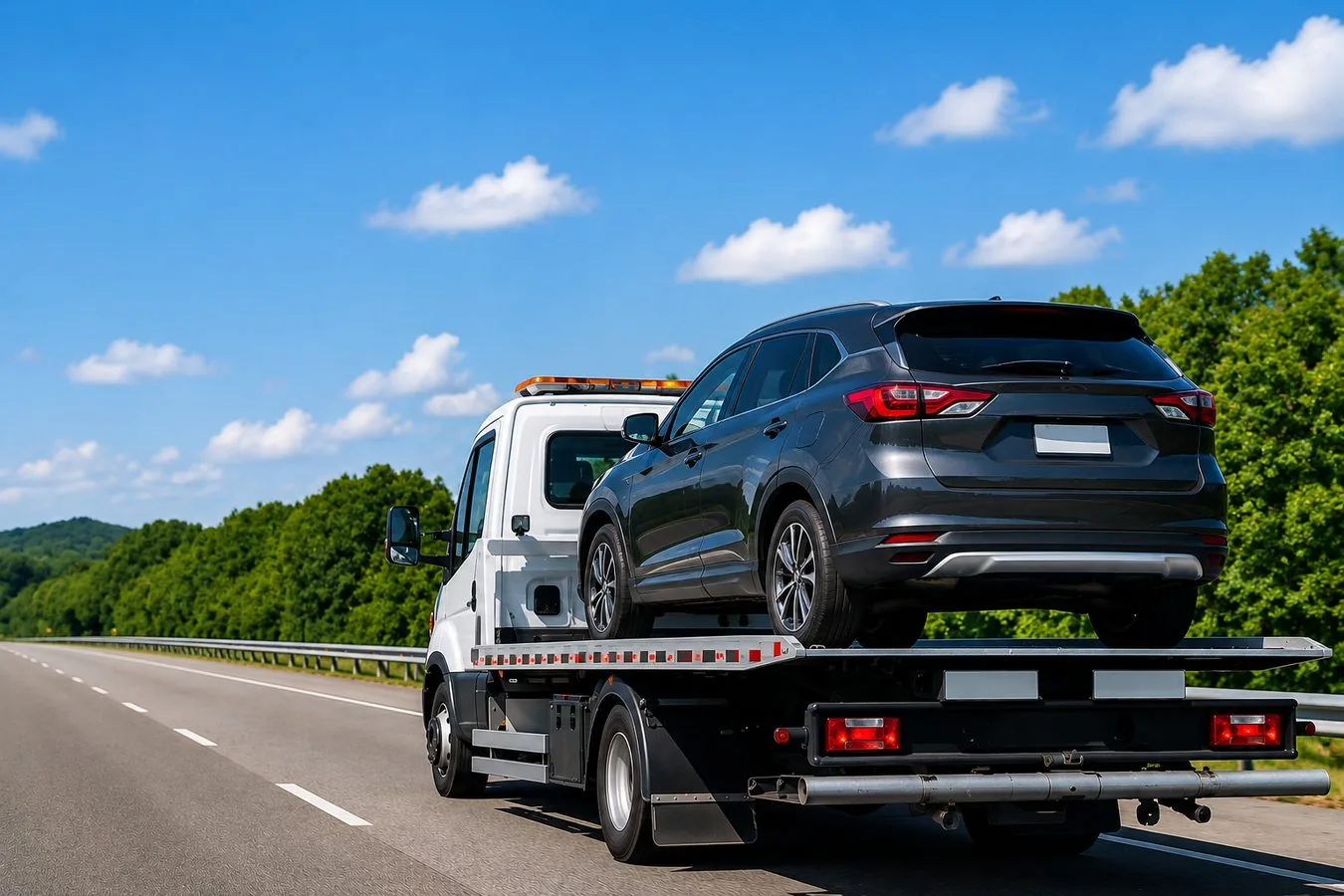
A temperature gauge climbing into the red is one of the most stressful things that can happen behind the wheel. On a hot summer afternoon along US-67 or MO-53, or crawling through stop-and-go traffic near the Butler County Courthouse, an overheating engine can go from a minor annoyance to a cracked head gasket in a matter of minutes. If your car is overheating in Poplar Bluff, MO right now, the single most important thing to understand is this: keep driving and you risk thousands of dollars in engine damage. Pull over safely and you usually save the engine.
This guide walks you through exactly what to do the moment your engine starts to overheat, what causes it, the mistakes that turn a cheap fix into a total loss, and when it is time to stop trying and call a tow truck. We answer these calls every week across Butler County, so the advice below comes straight from what we see on the roadside.
What to do the moment your car starts overheating
When you notice the temperature gauge climbing, steam creeping from under the hood, or a hot, sweet coolant smell in the cabin, act quickly and calmly. Every minute the engine runs hot, the risk of permanent damage grows. Follow these steps in order:
- Turn off the air conditioning. The AC compressor adds a heavy load to your engine and generates extra heat. Shutting it off immediately eases the strain.
- Turn the heater on full blast. This feels miserable in July, but the heater core pulls heat away from the engine and dumps it into the cabin. It can buy you a few critical degrees while you find a place to stop.
- Find a safe spot and pull over. Get onto the shoulder of US-60, into a parking lot, or off the roadway completely. Do not stop in a live traffic lane.
- Shut the engine off. Once you are safely parked, turn the key off. The longer a hot engine runs with no coolant flow, the worse the damage.
- Pop the hood, but do not touch it yet. Releasing the interior latch lets heat escape. Wait for the engine to cool before you go near anything under the hood.
- Wait at least 30 to 45 minutes. The cooling system is pressurized and can reach well over 200 degrees. Give it time before you even think about opening the radiator or coolant reservoir.
What causes a car to overheat?
Overheating is almost always a symptom of the cooling system failing to move heat away from the engine. Knowing the common causes helps you explain the problem to a mechanic and understand why a quick roadside patch usually is not enough. The most frequent culprits we see on Poplar Bluff roads include:
- Low or leaking coolant. A slow leak from a hose, the radiator, the water pump, or a failing gasket is the number one cause. If the reservoir is empty, there is nothing to carry heat away.
- A failed thermostat. This small valve regulates coolant flow. When it sticks closed, coolant stops circulating and temperatures spike fast.
- A broken water pump. The pump pushes coolant through the engine. A worn bearing or broken impeller stops that flow entirely.
- A clogged or damaged radiator. Debris, corrosion, or bent fins keep the radiator from shedding heat, especially in summer traffic.
- A bad cooling fan. At low speeds the electric fan does most of the cooling. When it quits, cars overheat sitting at a red light even though they run fine at highway speed.
- A blown head gasket. Often both a cause and a result of overheating, a failed head gasket lets combustion gases into the cooling system and coolant into the cylinders.
Because these problems live deep in the cooling system, an overheating car nearly always needs a proper diagnosis at a shop rather than a roadside fix. Adding water might get a mild case home, but if a hose burst or the water pump failed, you need a flatbed and a mechanic.
What NOT to do when your engine overheats
Some of the worst roadside damage we see comes from well-meaning drivers making the situation worse. Avoid these mistakes:
- Do not keep driving to make it home. The temptation to push the last few miles is strong, but it is exactly how a repairable overheat becomes a seized engine.
- Do not open the radiator cap while hot. Pressurized coolant can erupt and cause severe burns. Federal safety experts at the NHTSA and every vehicle owner manual warn against it for good reason.
- Do not pour cold water into a hot engine. The sudden temperature shock can crack the engine block or cylinder head. Let it cool first.
- Do not ignore the warning and hope it passes. A temperature warning light is not a suggestion. It means the engine is at or beyond its safe operating limit.
How far can you drive an overheating car?
The honest answer that saves people the most money: you should not drive it at all. Once the gauge is in the red or you see steam, the safe driving distance is zero. Modern engines are built to tight tolerances, and aluminum components warp quickly under extreme heat. What starts as a fifteen dollar hose or a fifty dollar thermostat can snowball into a head gasket job or a full engine replacement running several thousand dollars, all because the car was driven a few extra miles while overheating.
If you are only seeing the temperature creep up slightly and no steam, you may be able to reach a safe stopping point a short distance away by running the heater and easing off the gas. But the moment the needle pins to hot, stop. A short wait for a licensed and insured tow operator is always cheaper than the alternative.
Overheating on the side of the road in Poplar Bluff?
Do not risk your engine. Our DOT compliant flatbed and wheel-lift trucks reach most of Butler County in 30 to 45 minutes, day or night. Licensed, insured, and available 24/7.
Call (615) 241-0232 NowWhen to call a tow truck in Poplar Bluff
Call for a tow the moment any of these are true: the temperature gauge is in the red, you see or smell steam, the coolant reservoir is empty, or the car overheats again within minutes of cooling down. These are signs the cooling system has failed and needs shop repair, not a roadside band-aid.
Our team serves Poplar Bluff and the surrounding communities of Dexter, Doniphan, Qulin, Neelyville, Fisk, Naylor, and Harviell across ZIP code 63901 and all of Butler County. Whether you are stranded on US-67, near the Black River, or in a parking lot off MO-158, a flatbed tow protects your vehicle by keeping the drivetrain off the ground during transport. We can haul it straight to the repair shop of your choice. When an engine is overheating, that flatbed ride is the single best investment you can make in the life of your car.
How to keep your car from overheating in the first place
Most summer overheating calls we run in Butler County trace back to maintenance that slipped through the cracks. A little prevention goes a long way, especially before the Missouri heat peaks in July and August. Keep these habits in mind:
- Check your coolant level monthly. With the engine cold, make sure the reservoir sits between the minimum and maximum marks. Top it off with the correct coolant type if it is low, and note that a reservoir that empties repeatedly points to a leak.
- Flush the cooling system on schedule. Old coolant loses its heat-transfer and anti-corrosion properties. Most manufacturers recommend a flush every 30,000 to 60,000 miles.
- Watch for warning signs. Sweet coolant smells, puddles under the car, or a temperature needle that runs higher than usual all deserve attention before they leave you stranded.
- Replace aging hoses and the water pump proactively. Rubber hoses harden and crack with age and heat. Swapping them during routine service is far cheaper than a roadside failure on MO-53.
- Do not overload or tow beyond your rating in extreme heat. Heavy loads on a hot day push the cooling system to its limit, particularly in slow traffic where airflow is minimal.
Even with careful maintenance, parts fail, and no amount of prevention makes a broken water pump forgivable to keep driving. When it happens, the fastest way to protect your engine is still a flatbed and a phone call.
Frequently Asked Questions
How far can I drive my car when it is overheating?
You should not drive it at all once the gauge hits the red zone or you see steam. Even a mile on an overheated engine can warp the cylinder head or blow the head gasket, turning a simple coolant fix into a repair that costs more than the car is worth. Pull over, shut the engine off, and call for a tow.
Is it safe to open the radiator cap to check coolant when the engine is hot?
No. A hot cooling system is pressurized, and removing the cap can spray scalding coolant and steam that causes serious burns. Wait at least 30 to 45 minutes for the engine to cool, or let a professional handle it. When in doubt, call for roadside help instead.
Has your car ever overheated on a Butler County road? What did you do, and did you make it home?